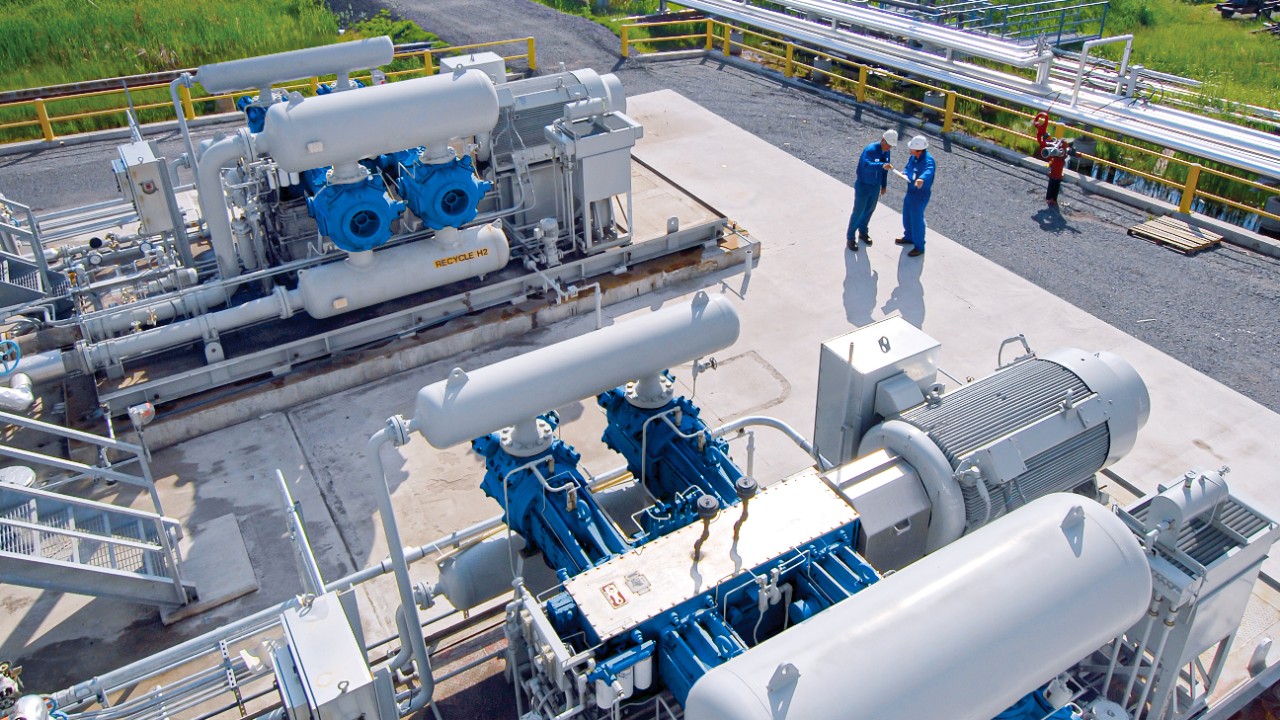
In the world of industrial machinery, reciprocating compressors stand out as pivotal components, particularly in sectors requiring high-pressure gas delivery. These compressors, known for their durability and efficiency, are integral to operations across various industries, including oil and gas, refrigeration, and petrochemicals. Proper utilization and maintenance of these powerful machines are crucial for enhancing productivity and reducing operational costs. This article delves into maximizing the efficiency of industrial reciprocating compressors, providing insights into operational strategies, maintenance practices, and technological advancements.
Understanding Industrial Reciprocating Compressors
Reciprocating compressors operate using pistons driven by a crankshaft to deliver gas at high pressure. Their versatility and reliability make them a preferred choice in scenarios demanding variable output and high pressure. Understanding the core components and functionality of these compressors is essential for optimizing their performance.
Key Components
- Pistons and Cylinders: Integral for compressing the gas.
- Crankshaft: Converts rotational motion into reciprocating motion.
- Valves: Control the intake and discharge of gases.
Explore advanced guides and tips on the operation of reciprocating compressors.
Operational Strategies for Efficiency
To maximize the efficiency of reciprocating compressors, it is essential to adopt strategies that align with the equipment’s operational characteristics. These strategies not only enhance performance but also extend the lifespan of the machinery.
Optimal Load Management
Managing the load effectively is critical. Ensure that the compressor operates within its designed capacity range to prevent undue strain. Overloading can lead to increased wear and energy consumption, while underloading may result in inefficient operation. Discover expert strategies here for effective load management.
Regular Maintenance
- Scheduled Inspections: Routine checks can prevent unexpected failures.
- Lubrication: Adequate lubrication reduces friction and wear.
- Valve Maintenance: Regular cleaning and replacement ensure proper function.
Learn about our tailored solutions for maintenance of compressors.
Technological Advancements
The integration of technology into reciprocating compressors has opened doors to enhanced efficiency and control. Modern advancements contribute to reducing energy consumption and improving operational precision.
Automation and Monitoring
Implementing automation can significantly enhance the efficiency of compressor operations. Automated systems monitor performance metrics in real-time, allowing for immediate adjustments to optimize operation. Find out more about this approach to automation in compressors.
Energy Recovery Systems
- Heat Recovery: Capturing waste heat can be repurposed for other processes.
- Variable Frequency Drives: Adjust motor speed to match load requirements, reducing energy use.
Explore advanced guides and tips on modern energy recovery solutions.
Conclusion
Maximizing efficiency with an industrial reciprocating compressor involves a comprehensive approach encompassing understanding machine components, employing strategic operational techniques, and embracing technological advancements. By focusing on these aspects, industries can achieve significant improvements in productivity and cost-effectiveness. Continual learning and adaptation to new technologies will ensure that reciprocating compressors remain a viable and efficient solution for industrial applications. For further insights, explore advanced guides and tips on compressor optimization.
