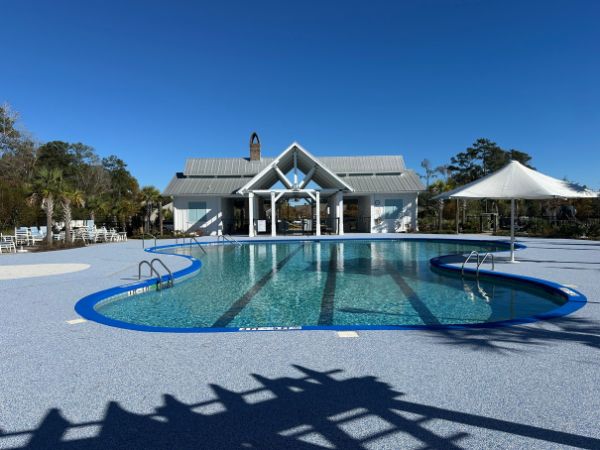
Transforming the area around a swimming pool into a safe and aesthetically pleasing space is a key consideration for pool owners. One increasingly popular solution is the installation of rubber surfaces on pool decks. This versatile material offers a range of benefits from safety to aesthetics, making it an ideal choice for enhancing poolside areas. Whether you own a residential or commercial pool, understanding the advantages of rubber surfaces can help in making an informed decision that can improve the usability, safety, and appearance of your pool deck.
The Benefits of Rubber Pool Deck Surfaces
Rubber surfaces for pool decks offer a multitude of advantages that can significantly enhance the pool environment. Here are some of the key benefits:
- Safety: Rubber surfaces are slip-resistant, providing a safer environment around the pool. This is especially important in reducing the risk of slips and falls, which are common concerns in wet and slippery areas.
- Comfort: The cushioning effect of rubber provides a comfortable walking surface that is gentle on bare feet, reducing foot fatigue and enhancing user comfort.
- Durability: Rubber materials are highly durable and can withstand harsh weather conditions, UV exposure, and heavy foot traffic. This ensures a long-lasting investment that can withstand the test of time.
- Low Maintenance: Rubber surfaces are easy to clean and maintain, requiring minimal effort to keep them looking pristine. Regular sweeping and occasional power washing are typically sufficient.
- Customization: Available in a variety of colors and designs, rubber surfaces can be customized to fit the aesthetic preferences of any pool area.
For more insights into the advantages of rubber surfaces, learn more in this detailed guide.
Installation Process of Rubber Pool Decks
The installation of rubber surfaces on pool decks is a meticulous process that ensures optimal performance and longevity. Here’s an overview of the typical installation steps:
1. Surface Preparation
Before installation, the existing surface must be thoroughly cleaned and prepared. This involves removing any debris, dirt, and ensuring the surface is dry. The preparation phase is crucial for ensuring proper adhesion of the rubber material.
2. Application of Rubber Material
Once the surface is prepared, the rubber material is mixed and applied. It is poured onto the deck and evenly spread using specialized tools. The material is then allowed to cure, creating a seamless, smooth surface.
3. Finishing Touches
After curing, any necessary finishing touches are applied. This may include adding design elements, sealing the surface to enhance durability, or applying additional coatings for added protection.
To explore further insights on the installation process, find additional information here.
Considerations for Choosing Rubber Pool Decks
When opting for a rubber surface for a pool deck, several factors should be considered to ensure the best outcome. These considerations include:
- Climate: Consider the climate of the area, as certain rubber formulations may perform better in specific weather conditions.
- Budget: Determine a budget that accommodates both the material cost and installation expenses.
- Design Preferences: Choose from a variety of colors and patterns that complement the existing landscape and create a visually appealing environment.
- Usage: Consider the expected foot traffic and usage level to select a durable material that can handle the demand.
For more detailed considerations when choosing rubber pool decks, read more about this topic.
Conclusion
Enhancing a pool deck with a rubber surface is a strategic investment that combines safety, comfort, and aesthetic appeal. By understanding the benefits, installation process, and key considerations, pool owners can make an informed decision that improves the usability and appearance of their outdoor space. Rubber pool decks not only provide a safe and durable surface but also contribute to the overall enjoyment of the pool area. Explore further insights here to learn more about the transformative potential of rubber surfaces in pool deck applications.
