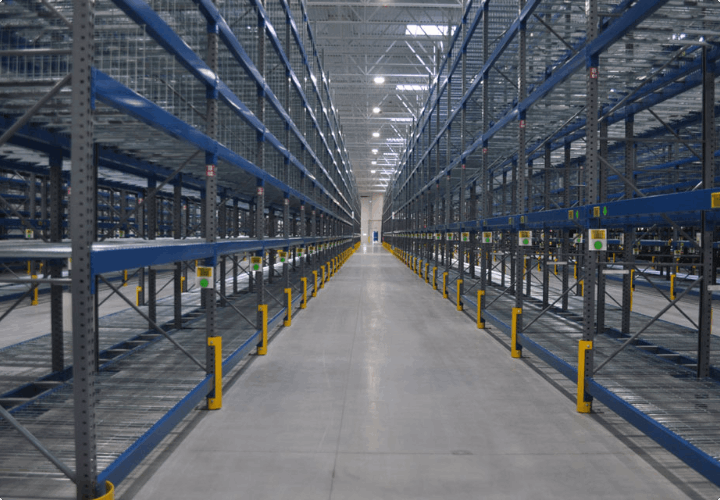
In the world of industrial operations, maximizing efficiency is crucial for maintaining a competitive edge. One of the key components of an efficient warehouse or storage facility is the racking system. Properly planned and implemented racking systems can significantly enhance the storage capacity, accessibility, and safety of a facility. They allow businesses to optimize their space, streamline operations, and ultimately reduce costs. This article delves into the various aspects of industrial racking systems, providing insights into choosing the right system and tips for maximizing its efficiency.
Understanding Industrial Racking Systems
Industrial racking systems are structures designed to support high stacking of items and materials in storage facilities. These systems are essential for warehouses, distribution centers, and manufacturing plants. They offer a way to store products in an organized manner, making them easy to access and manage.
Types of Industrial Racking Systems
There are several types of racking systems, each tailored to specific needs:
- Pallet Racking: Ideal for storing large quantities of palletized goods. It provides easy access and is highly customizable.
- Cantilever Racking: Best suited for long items like pipes and lumber, this system offers a simple and adjustable solution.
- Drive-In/Drive-Through Racking: Perfect for high-density storage, this system allows forklifts to drive directly into the rack.
- Push Back Racking: Offers a high-density storage option with a first-in, last-out approach, making it efficient for bulk storage.
For more information on these systems, discover expert strategies here.
Factors to Consider When Selecting a Racking System
Choosing the right racking system involves several considerations:
- Storage Requirements: Analyze the types of goods and their storage needs. This includes weight, dimensions, and turnover rate.
- Space Utilization: Consider the available space and how the racking system can maximize it.
- Accessibility: Ensure that the system allows for easy access to products, minimizing handling time.
- Safety and Compliance: Verify that the system meets industry safety standards and regulations.
- Budget Constraints: Evaluate the cost-effectiveness of different systems relative to the benefits they offer.
To learn about our tailored solutions for different industrial needs, explore more resources.
Maximizing Efficiency with Racking Systems
Layout Optimization
An efficient layout is crucial for maximizing the potential of any racking system. Assess the workflow and design the layout to minimize movement of goods and personnel. This not only increases efficiency but also enhances safety.
Regular Maintenance and Inspections
Routine inspections and maintenance are essential for ensuring the longevity and safety of racking systems. Regular checks help identify wear and tear, potential hazards, and the need for repairs or replacements.
Find out more about this approach to maintain optimal performance.
Technology Integration
Incorporating technology such as warehouse management systems (WMS) can further enhance the efficiency of racking systems. These systems provide real-time data on inventory levels, storage locations, and movement patterns, facilitating better decision-making.
To explore advanced guides and tips on leveraging technology, delve into more detailed resources.
Conclusion
Racking systems are a vital component of any industrial storage facility. By selecting the appropriate system and implementing effective strategies for layout, maintenance, and technology integration, businesses can significantly improve their operational efficiency. For detailed insights and guidance on maximizing the potential of racking systems, find out more about this approach and explore tailored solutions that meet specific industrial needs.
